

As Mumbai prepares for critical civic elections in 2026, political alliances are unveiling comprehensive strategies aimed at transforming the city’s infrastructure, environment, and public services. Central themes include expanding sustainable transport, improving water and waste management, and upgrading healthcare facilities—key components for building climate-resilient and inclusive urban spaces. These proposals reflect a long-term shift towards responsible city growth that prioritises citizen well-being and environmental sustainability.
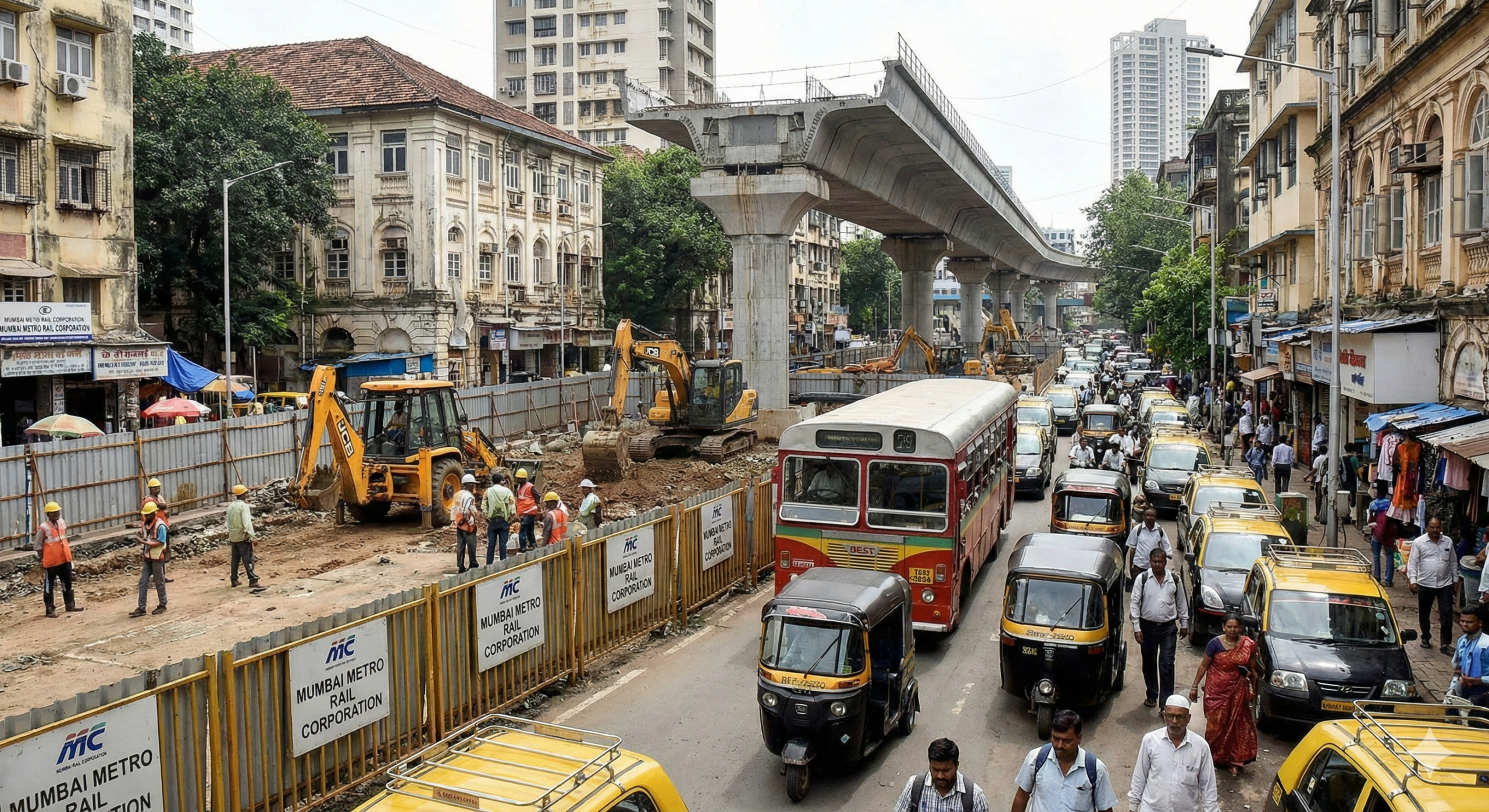
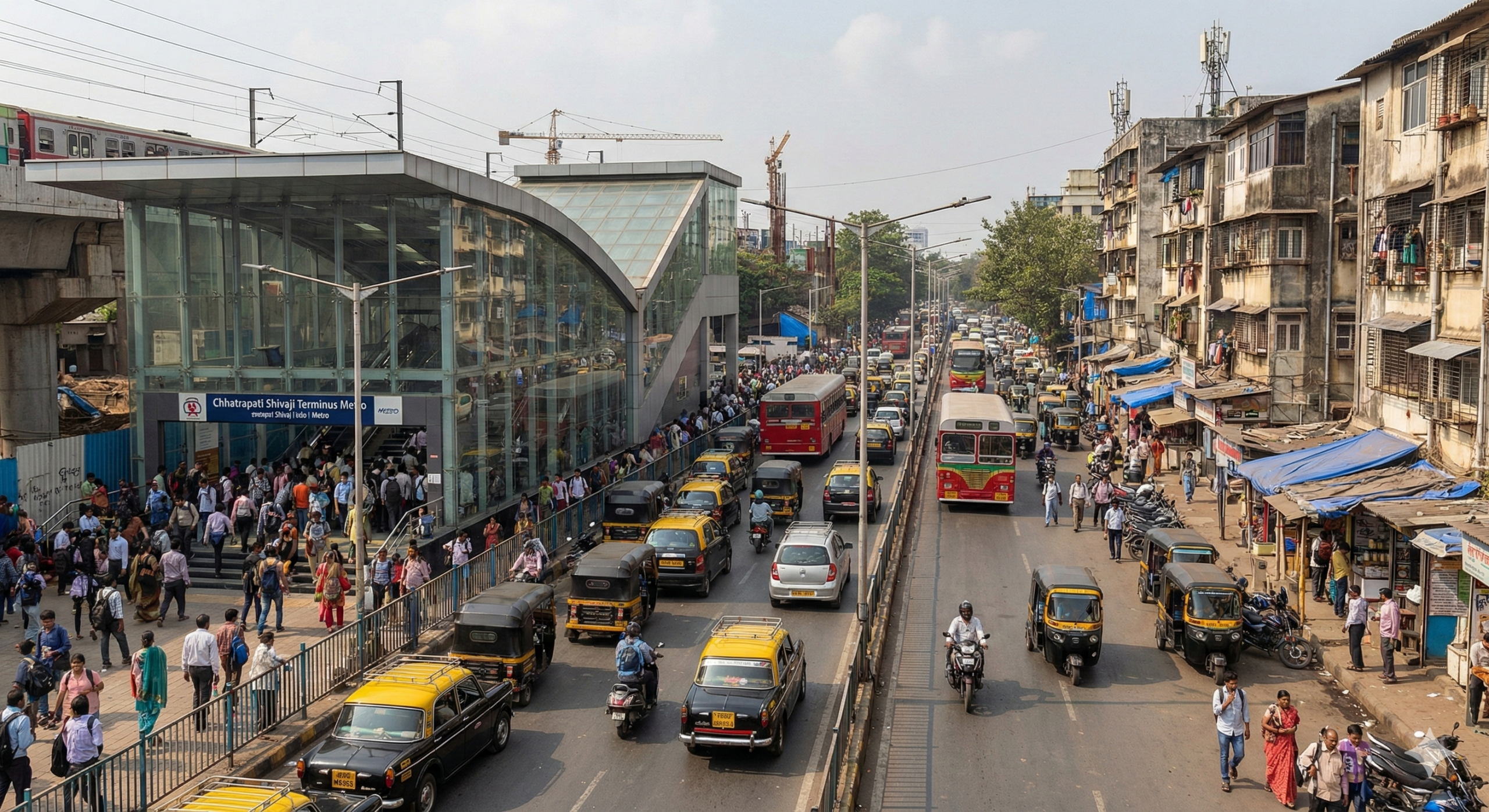
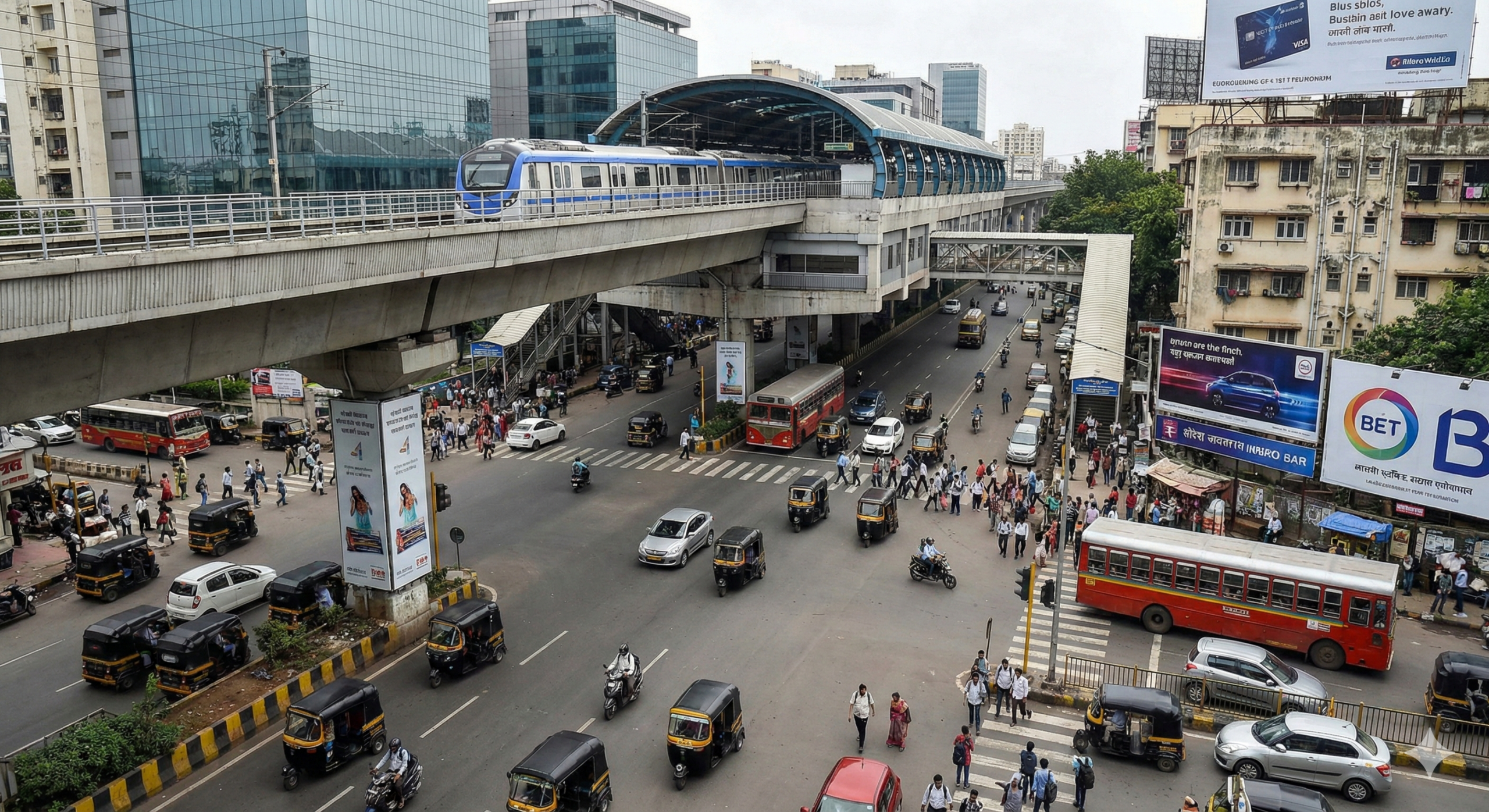
With mass transit being front and centre, the alliance behind the upcoming elections has committed to significantly boosting Mumbai’s bus fleet, aiming to reach ten thousand electric buses by 2029. This initiative addresses the city’s notorious traffic congestion and air pollution, aligning with climate-resilient urban development goals. Enhanced safety measures for women commuters, such as fare concessions, CCTV monitoring, and onboard Wi-Fi, aim to increase ridership while ensuring safer travel experiences. Simultaneously, essential infrastructure projects like the Coastal Road and Goregaon-Mulund Link Road are being positioned as long-term solutions to reduce congestion and improve connectivity across the metropolitan area.
Water security and flood management remain pivotal concerns. Promising 24-hour water supply across Mumbai without hike in tariffs over the next five years, the plan also emphasizes flood mitigation measures, recognising the city’s vulnerability to climate change-induced weather events. Alongside infrastructural upgrades, civic authorities are prioritising sanitation and environmental health through waste management campaigns, beach cleanups, and stricter construction dust regulation, reinforcing the city’s push towards cleaner, greener urban spaces. A substantial environmental protection budget signifies a commitment to air quality and ecological preservation, crucial for Mumbai’s sustainable growth.
Healthcare reforms are central to the election strategy, with promises to elevate municipal hospitals to AIIMS-level standards and expand primary health clinics citywide. Free annual health check-ups for seniors, and screening programmes for prevalent diseases, aim to reduce health disparities. Furthermore, the manifesto advocates for expedited housing redevelopment, streamlining occupancy approvals, and affordable housing solutions for core sectors like sanitation workers. Additional social initiatives include interest-free loans for women entrepreneurs, night patrols for safety, startup hubs targeting youth employment, and mobile-based civic services to enhance transparency and responsiveness.
In sum, the proposed agenda seeks to position Mumbai as a safer, cleaner, and more sustainable city—an approach aligned with India’s broader urban resilience and climate adaptation goals. While these promises outline ambitious goals, their realisation will test the city’s capacity for integrated planning, responsible resource management, and inclusive growth, shaping Mumbai’s urban landscape for decades to come.