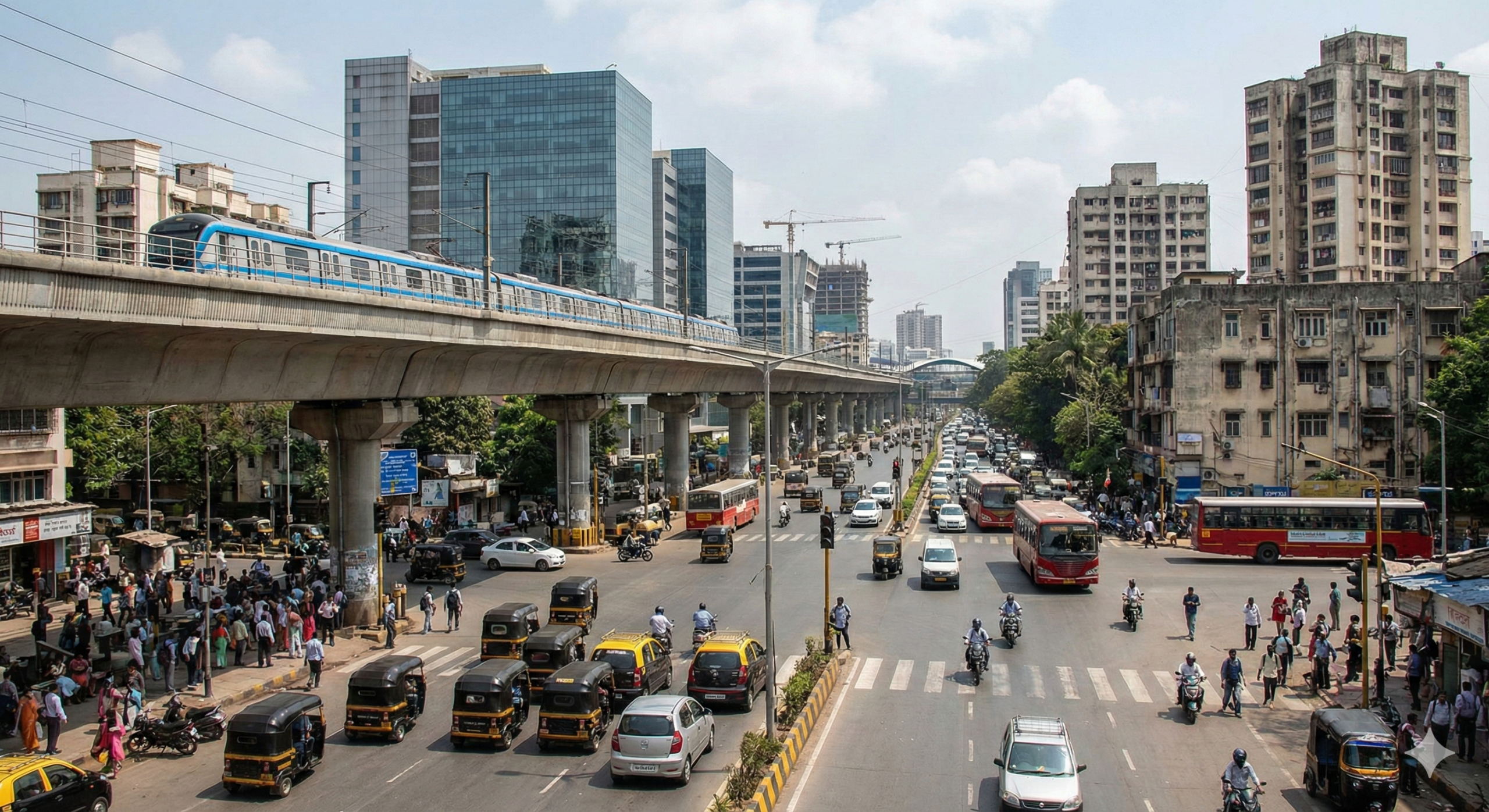


The upcoming Brihanmumbai Municipal Corporation (BMC) elections, scheduled for January 15, have brought renewed attention to the city’s persistent infrastructural and administrative challenges, as the Bombay High Court has expressed ongoing concern over civic inefficiency. Despite Mumbai’s status as one of India’s wealthiest municipal bodies, critics note that numerous critical issues—from perilous road conditions to environmental degradation—remain inadequately addressed, highlighting the urgent need for sustainable and accountable urban governance.
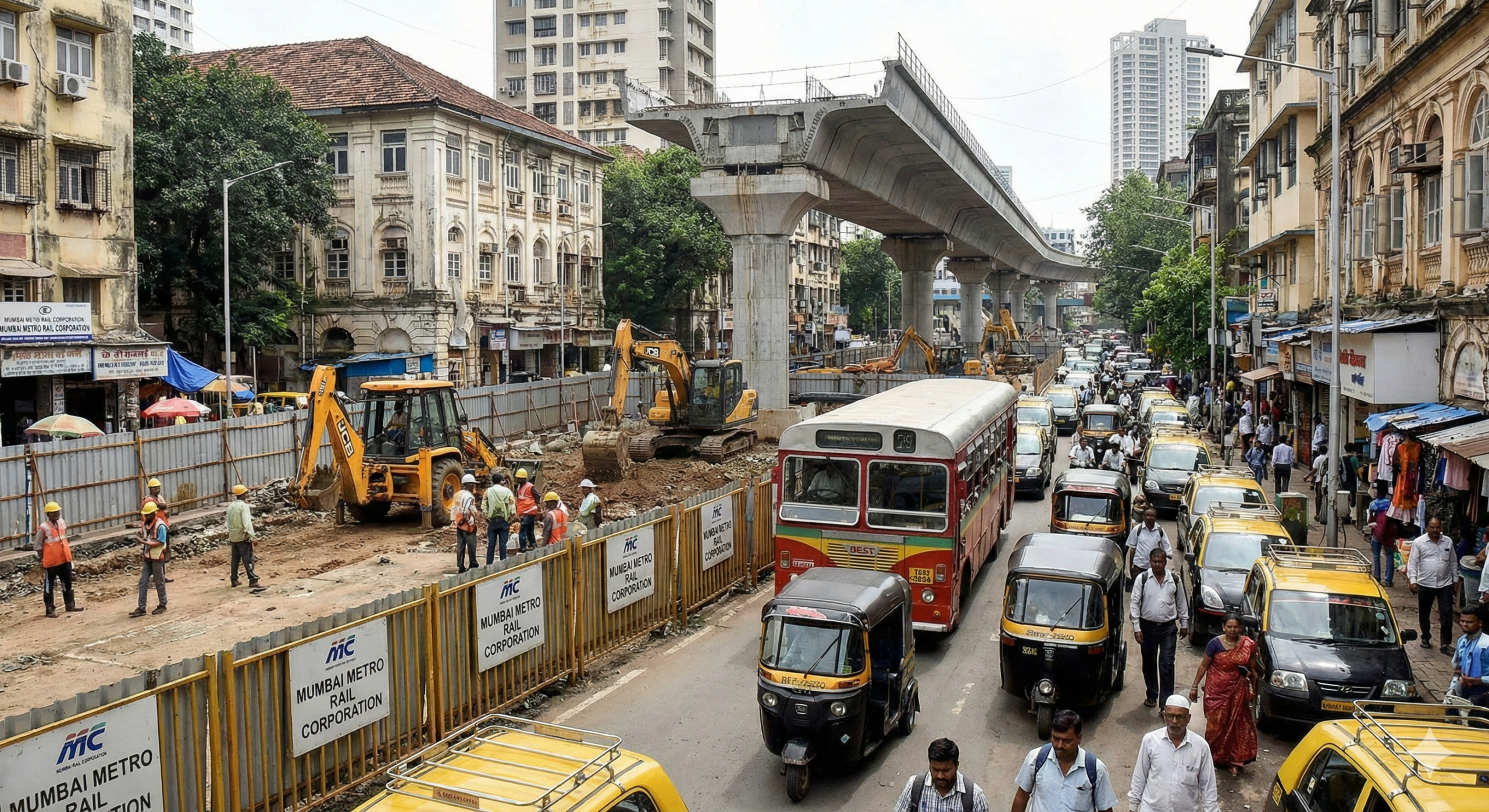
Over the past years, the High Court has consistently flagged major civic shortcomings during its supervision of Mumbai’s administration, including lethargic repair of roads riddled with potholes and open manholes that pose safety risks. Although the BMC has committed to covering over 2,000 kilometres of roads within a few years, the court has criticised the slow pace and implementation failures that continue to threaten residents’ safety and mobility. Such issues are emblematic of deeper systemic neglect that hampers Mumbai’s development paradigm, especially as the city confronts rising urban populations and climate-related challenges.
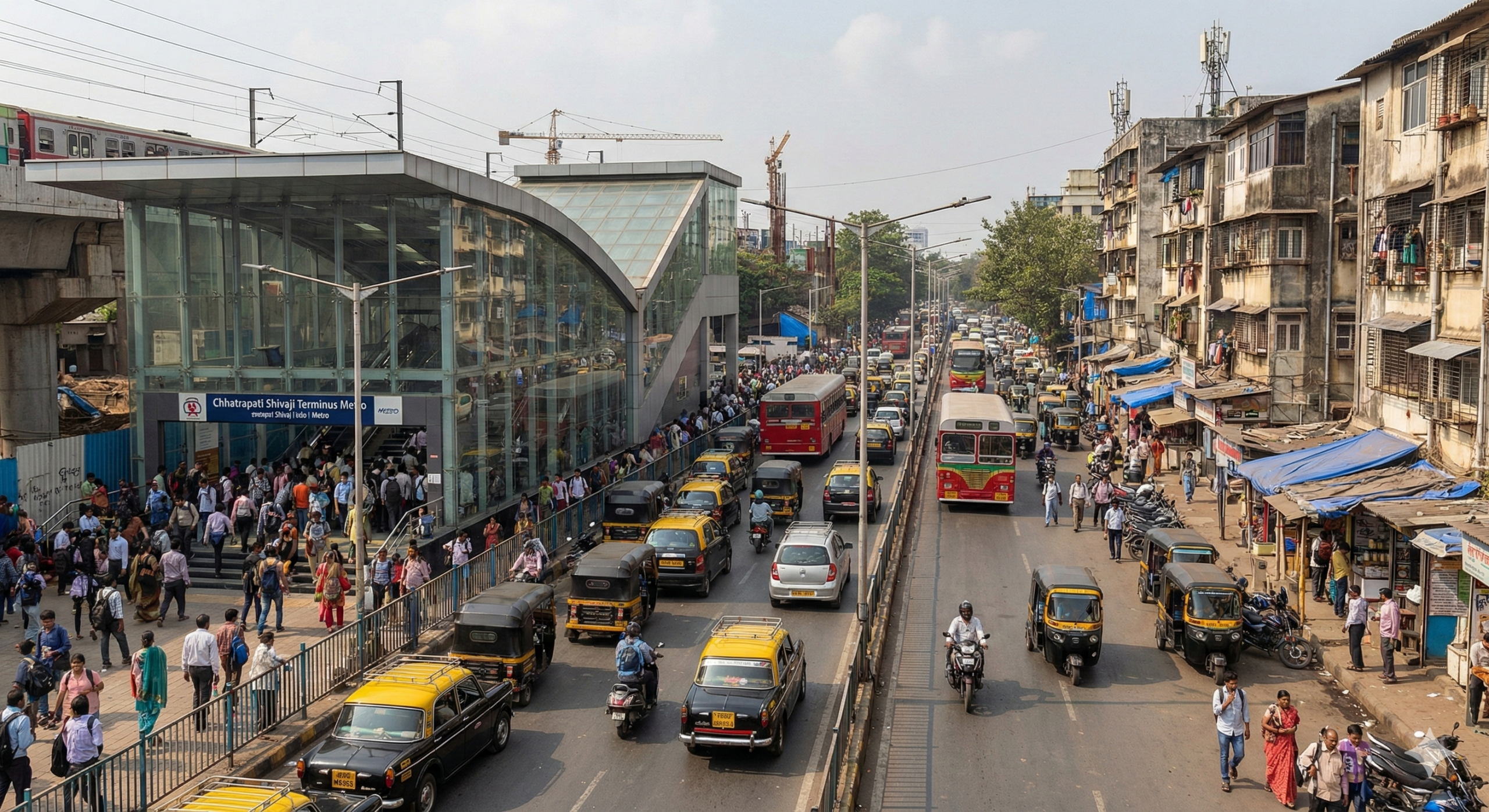
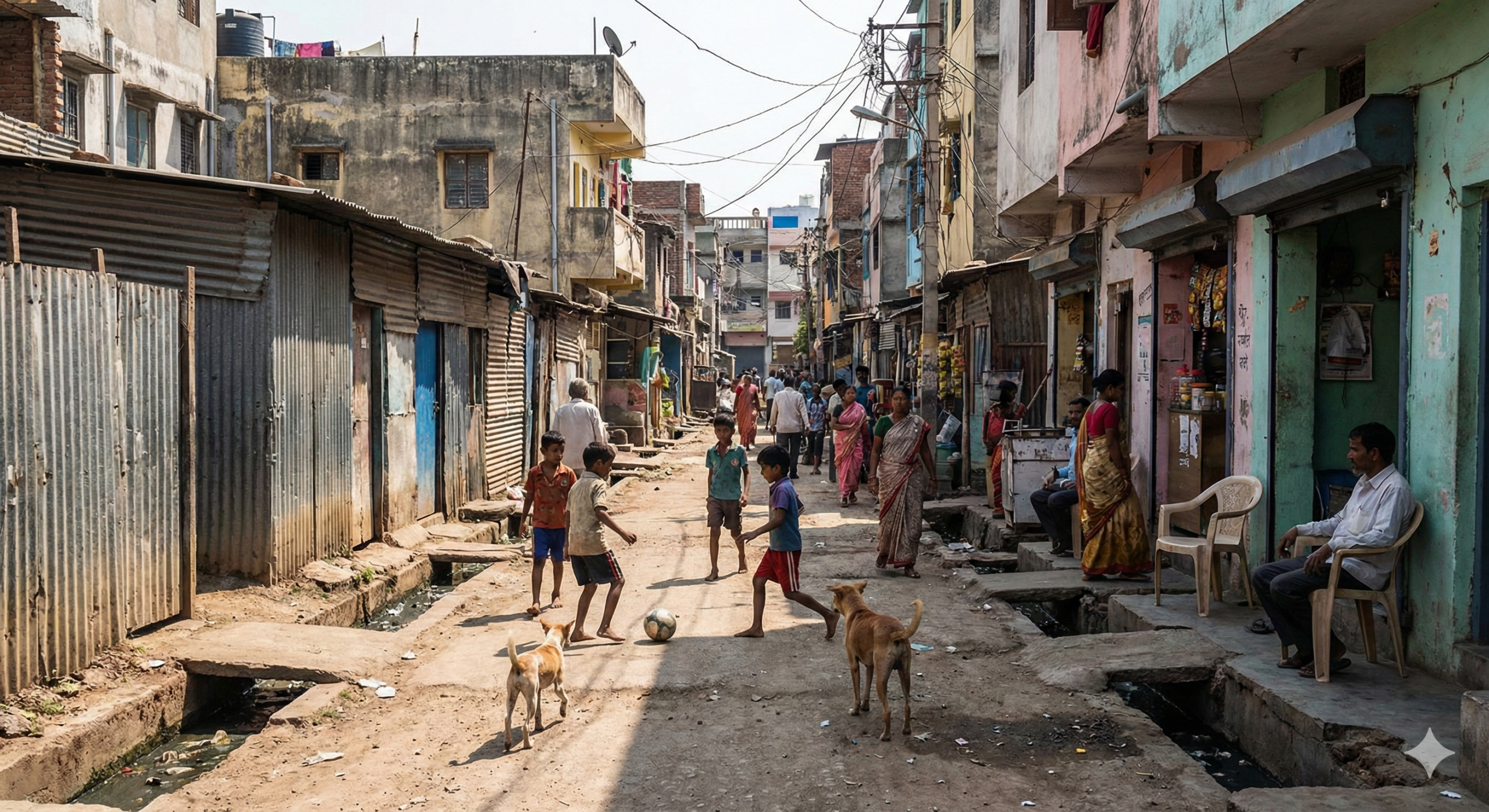
The court has also spotlighted encroachments by illegal hawkers, unresolved footpath obstructions, and attempts to regulate unauthorised constructions. Despite multiple directives to curb informal markets that compromise pedestrian safety and urban aesthetics, illegal stalls and encroachments still dominate many key transit corridors, reflecting not only civic oversight gaps but also the socio-economic realities of urban livelihoods. Meanwhile, concerns around poorly managed solid waste disposal, including the controversial Kanjurmarg dumping site, underscore environmental risks. Leachate seepage from uncontrolled landfills threatens nearby mangroves and water bodies, raising questions about Mumbai’s compliance with its environmental commitments and the fundamental right to clean air and water.
Air pollution remains a pressing issue, with the High Court urging the civic authorities to take more stringent actions since October 2023. Initiatives like vehicle coverages, construction site mitigations, and traffic management have seen little on-ground progress, leading to heightened scrutiny just as the election approaches. Moreover, illegal hoardings, banners, and political advertisements proliferate, despite strict directives for FIR-based enforcement, reflecting challenges in governance transparency and city-wide compliance. The inefficient handling of solid waste, especially at iconic dumping grounds, is also a critical concern. The legal notices issued to improve waste management practices reveal a disconnect between policy frameworks and implementation, further exacerbating environmental and public health risks.
Another enduring issue is the scarcity of designated burial and cremation spaces, which the court has termed as a matter of citizens’ fundamental rights. The systemic under-provision of these facilities underlines the broader neglect of essential civic services. Addressing these multilayered concerns requires a long-term, people-centric approach that prioritises climate resilience, responsible development, and equitable urban growth. As Mumbai gears up for its civic elections, these issues highlight the need for a governance model that balances development ambitions with social and environmental responsibilities, fostering a city that is truly sustainable and inclusive for all its residents.