

The upcoming 2026 civic elections in Mumbai have reignited intense debates over the city’s changing population dynamics and political strategies aimed at shaping its future identity. Concerns surrounding illegal settlements, migration, and vote-bank politics are increasingly influencing urban policy discussions, with implications for responsible development, social harmony, and the city’s long-term resilience.
At the heart of these tensions are allegations that certain political actors are manipulating policies on slums, welfare programmes, and civic appointments to secure demographic advantages in key wards. Critics argue that these moves are less about neutral governance and more about consolidating influence over electoral outcomes and municipal control, raising questions about fairness in urban policymaking.
Analysts observe a concerted dual approach in Mumbai’s electoral tactics. One aspect appears to target traditional Hindu communities by framing reservation demands and regional identity issues as social justice causes, often leading to polarisation along caste, language, and regional lines. Meanwhile, efforts to mobilise minority votes through symbolic gestures and welfare promises—such as access to identity documents and targeted benefits—are seen as strategies to bolster bloc voting, influencing urban electoral landscapes over successive cycles.
Longstanding Marathi identity and migration concerns remain central to civic politics. The migration of middle-class Marathi families to neighbouring towns due to rising rents and property prices has been seen as a reaction to demographic shifts. Critics warn that illegal migration from neighbouring regions and countries, coupled with the alleged issuance of identity documents to undocumented migrants, complicates the city’s socio-political fabric and raises security concerns.
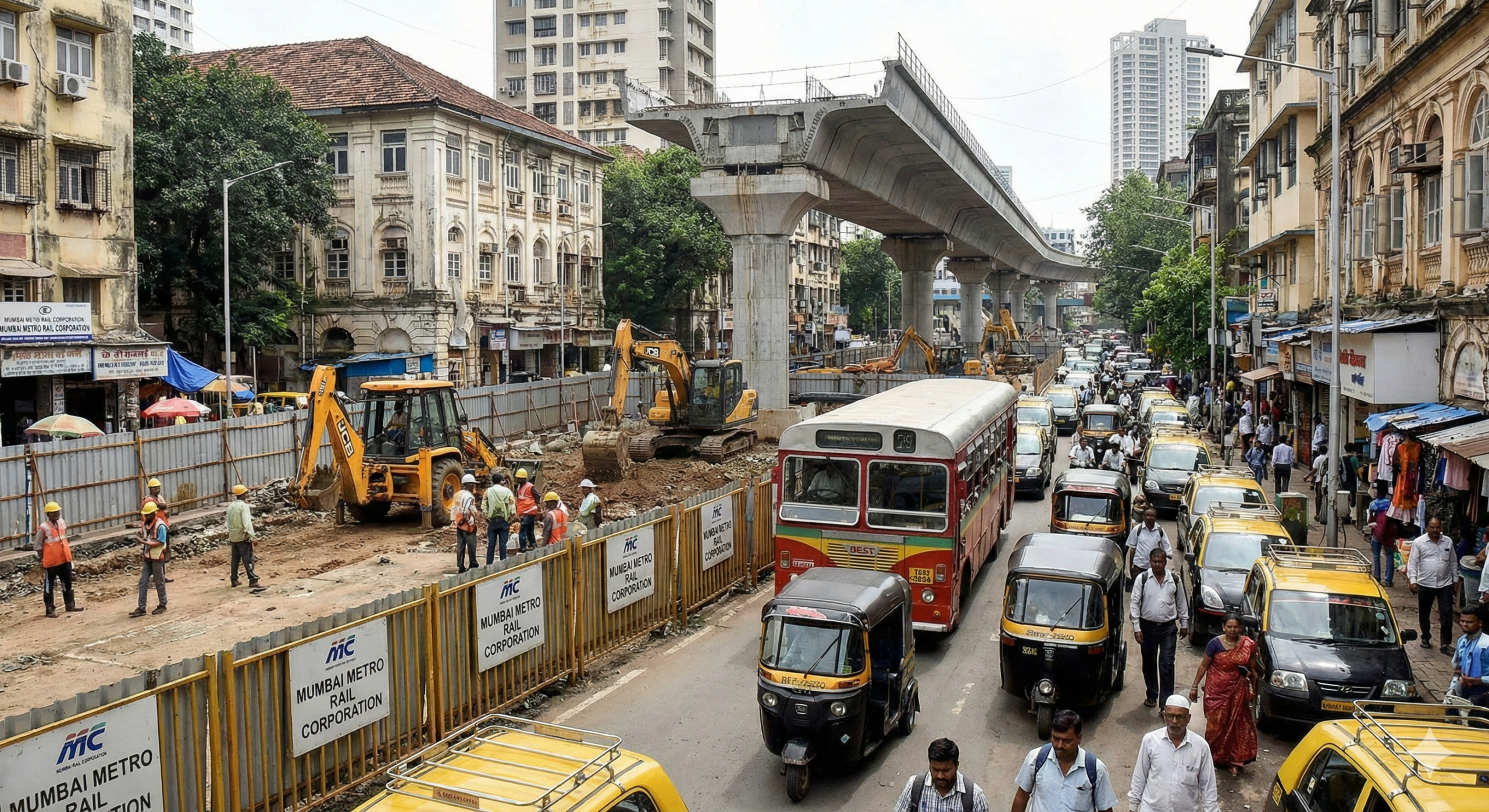
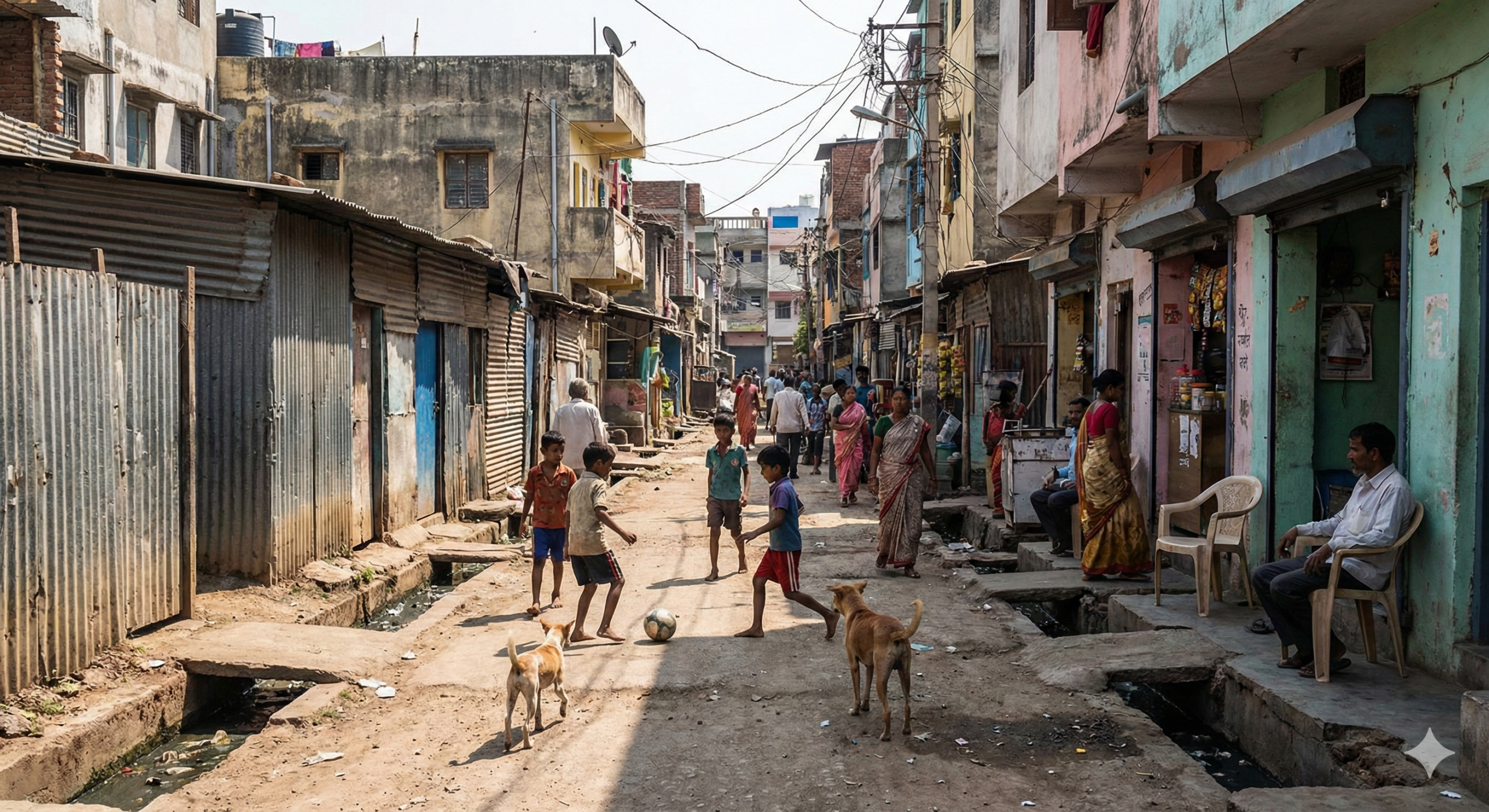
Within urban planning discourse, the controversial regularisation of unauthorised settlements—particularly in localities such as Behrampada, Malvani and Kurla—has intensified. Opponents contend that legalising illegal colonies under the guise of slum rehabilitation could entrench vote banks and create irreversible demographic changes, hampering future municipal planning and infrastructure capacity. Strategically, these moves risk transforming once fluid urban boundaries into politically managed enclaves.
Symbolic representation has added another layer of contention, with debates over appointing a Muslim mayor reflecting broader tensions. Proponents see it as inclusive, while critics view it as part of an appeasement strategy. Past controversies, including discussions surrounding public events and commemorations, continue to influence community sentiments and deepen mistrust in the city’s governance.
Overall, analysts describe Mumbai’s current political climate as a complex interplay of identity, migration, and demographic considerations—a “double game” where social divisions persist even as electoral strategies deepen influence among different communities. As the civic elections near, many residents call for leadership that prioritises equitable urban growth, safeguarding Mumbai’s diverse character and ensuring sustainable, inclusive development for all legal residents.