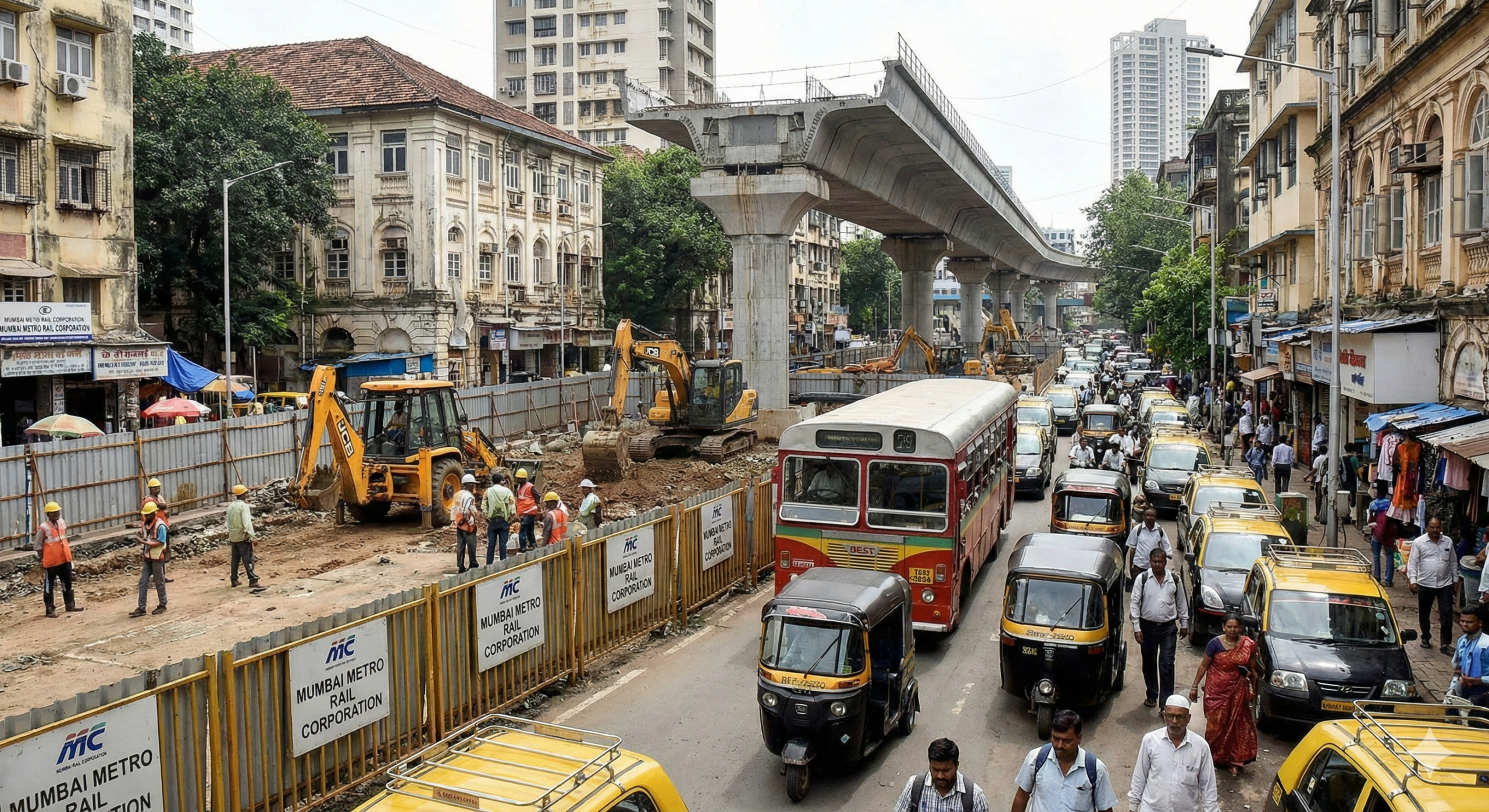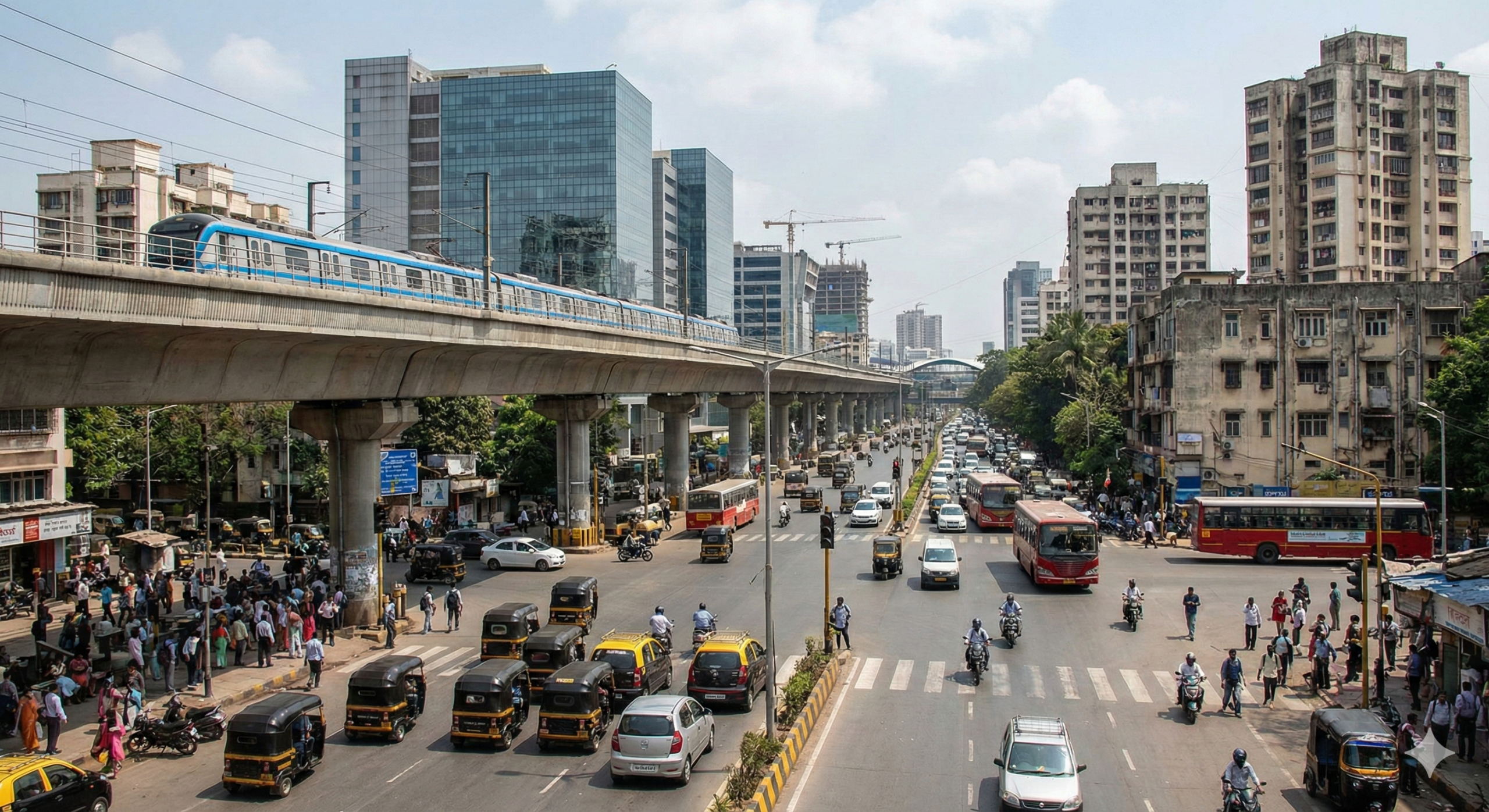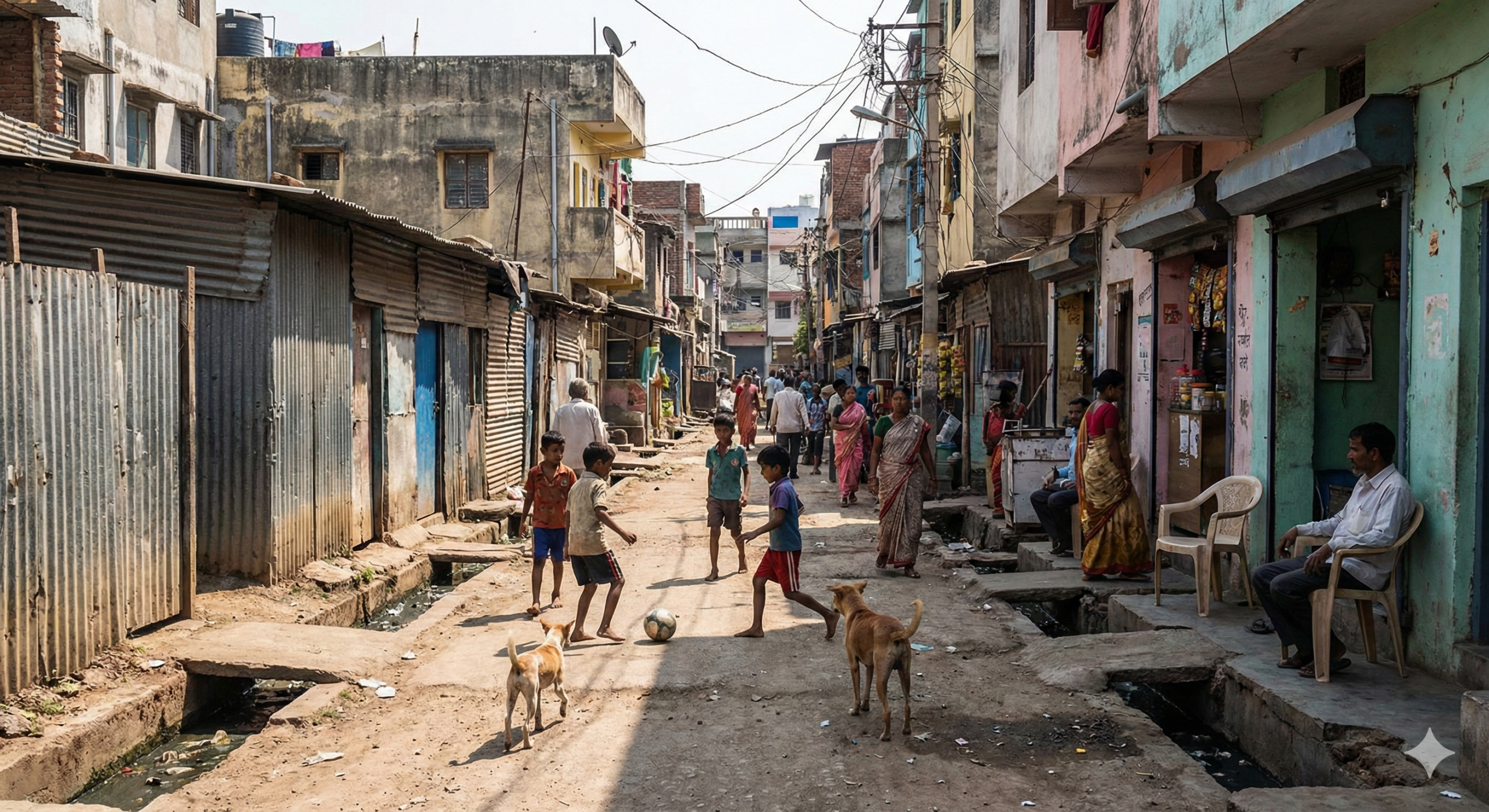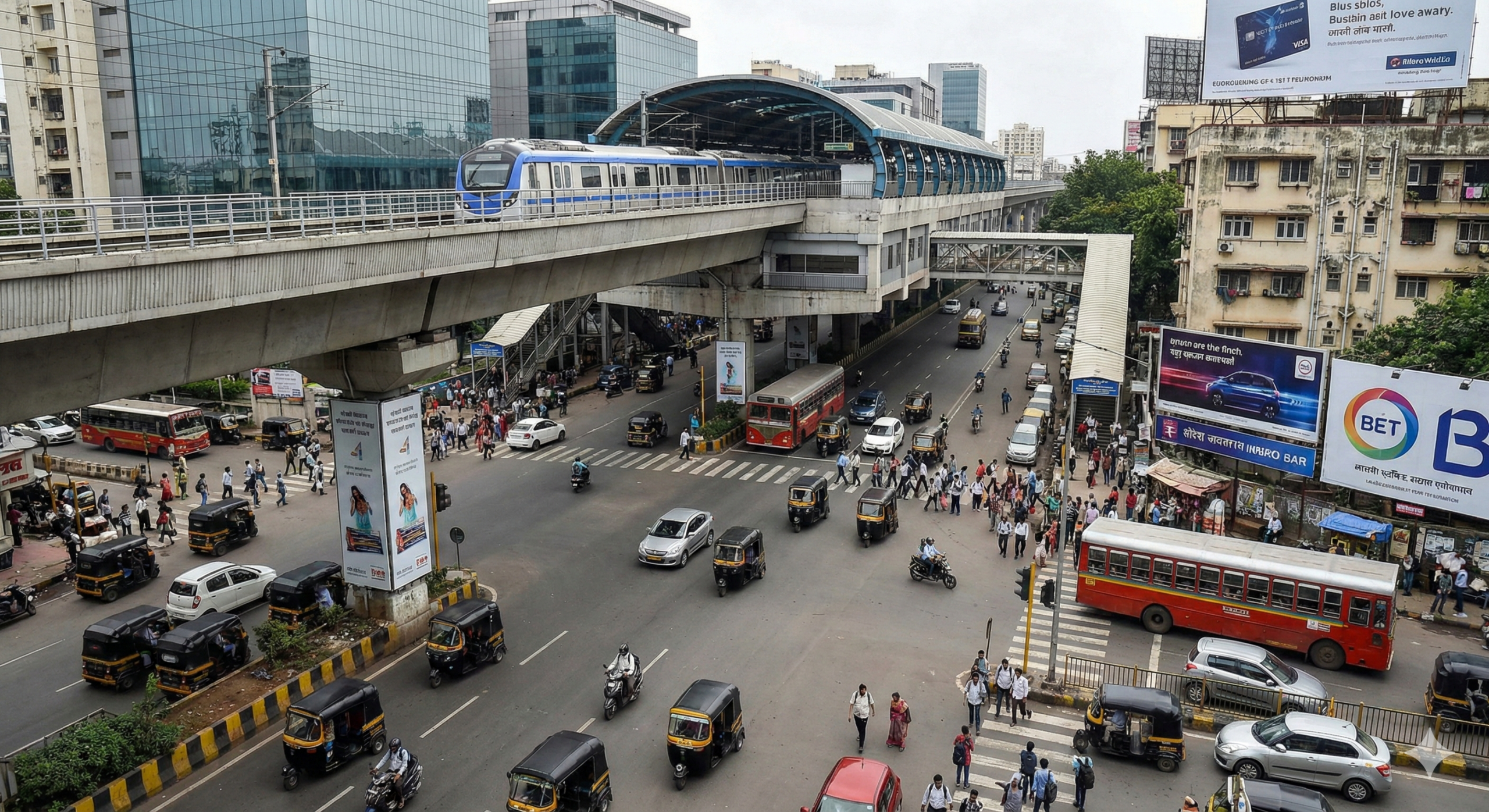


The recent remarks by a senior state official in Mumbai highlight ongoing political debates amidst significant urban development projects shaping the city’s future. As Mumbai seeks to balance infrastructural growth with social inclusion and climate resilience, civic leaders’ statements and policies reflect broader priorities for responsible urban expansion and equitable resource distribution.
The discourse focuses on infrastructure enhancements such as metro expansion, water supply augmentation, and housing schemes aimed at affordable living. These initiatives are central to making Mumbai more resilient to climate change and urban congestion, while ensuring habitat security for marginalised populations. The political narratives also underscore efforts to improve transportation links and decongest key localities, which are vital for sustainable city life.
The city’s growth is driven by multifaceted projects including metro railway extensions, water infrastructure upgrades, and slum rehabilitation programmes. Such developments echo India’s commitment to creating sustainable, inclusive urban environments that accommodate rapid population influx while reducing environmental impact. Project implementation faces challenges like land use conflicts and corruption, but authorities are adopting stricter oversight and community-driven approaches to address these issues.
Looking ahead, Mumbai’s urban planners and civic officials appear committed to continuing infrastructure upgrades, fostering social cohesion, and managing land pressures responsibly. As projects like the Gargai water supply and new metro phases progress, the city aims to enhance quality of life without compromising ecological or social integrity, setting a model for resilient urban growth in Indian megacities.