

The upcoming municipal elections in Mumbai signal a notable shift, with a new wave of young candidates prioritising issues such as climate resilience, infrastructure reform, and civic accountability. These candidates approach urban problems with a long-term vision, aiming to create more inclusive, healthier, and smarter neighbourhoods amid persistent infrastructural challenges. Their campaigns highlight the need for responsible development that balances growth with environmental and social sustainability, reflecting evolving citizen expectations rooted in India’s rapid urbanisation.
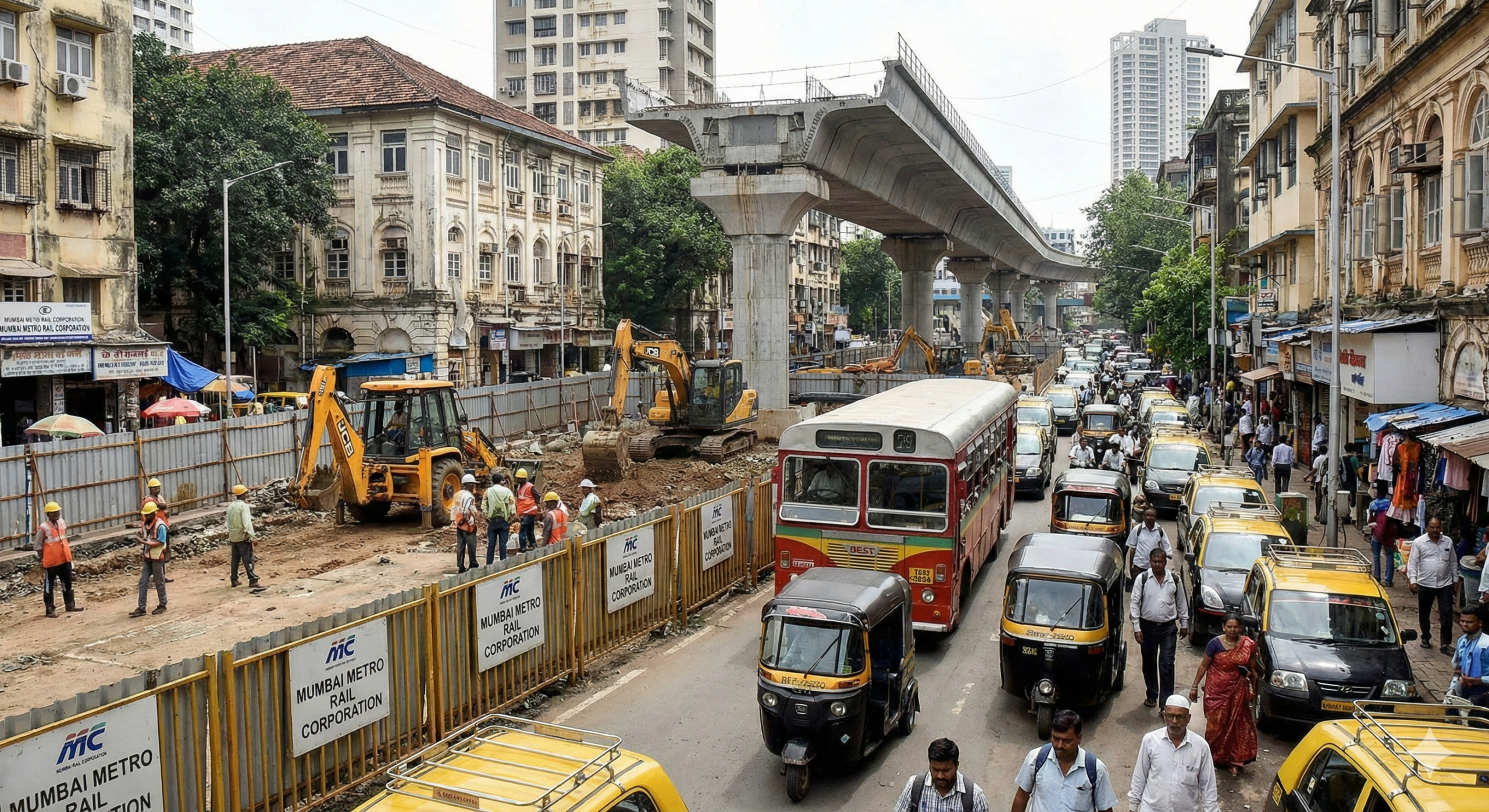
Leading these efforts are aspirants from diverse wards, many inspired by personal journeys from social activism to electoral politics. For instance, a civil engineer turned candidate advocates for streamlined urban planning and better coordination in road works, citing the recurring digging of roads for utility upgrades as a significant waste of taxpayer resources. His focus on utilising electric public transport and imposing environmental restrictions at active construction sites underscores a broader agenda of reducing carbon footprints through smarter, sustainable governance.
Similarly, younger candidates are emerging from neighbourhoods with dire sanitation and health conditions, driven by a commitment to combat pollution, water contamination, and inadequate healthcare infrastructure. A student of medicine, actively engaged in local civic issues, aims to improve sanitation and water quality, emphasising that basic health and environmental dignity are fundamental rights. Her campaign resonates with residents frustrated by slipping quality of life despite the city’s reputation as a metropolis.
In densely populated slums and marginalized areas, aspirants emphasise inclusive development, proposing community-driven initiatives like sanitation improvements, green spaces, pet parks, and local health clinics. These candidates see their youth and fresh perspectives as assets capable of breaking the cynicism that often hampers electoral engagement among the younger generation, underscoring the importance of continuous, transparent communication and participative governance.
Beyond governance, veteran political observers note a growing disinterest among the youth in traditional politics, a trend exacerbated since the early 1990s. Nonetheless, the new crop of candidates aims to reverse this trend by engaging young voters through social media and grassroots mobilisation, emphasising honest leadership and tangible neighbourhood improvements. Their strategies reflect a recognition that sustainable urbanisation depends on active, informed citizen participation and accountable local governance.
As Mumbai charts its development amidst environmental challenges and social disparities, these promising young leaders exemplify a proactive approach to urban renewal—one rooted in inclusion, eco-consciousness, and community participation. Their success could influence future policies, encouraging a more responsible, sustainable, and people-first cityscape that caters to the needs of all citizens, especially the younger generations who will shape Mumbai’s tomorrow.