

The eagerly anticipated elections for Mumbai’s Brihanmumbai Municipal Corporation (BMC) are now generating active discussions across civic and political circles, reflecting the city’s push for responsible urban growth, climate resilience, and inclusive development. A recent town hall event organised by a leading independent news platform highlighted the increasing role of youth voices in shaping long-term urban policies amid a competitive political landscape.
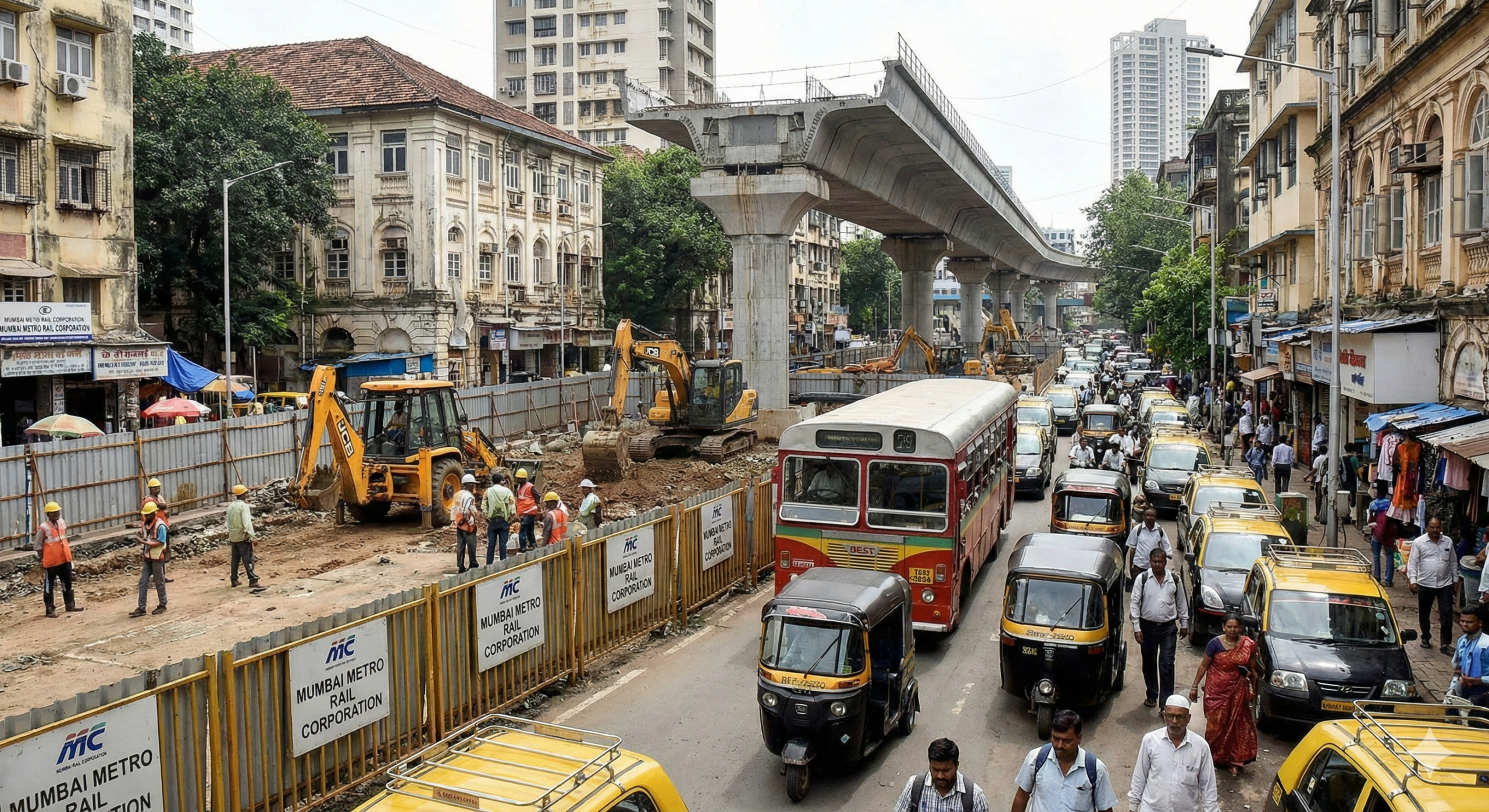
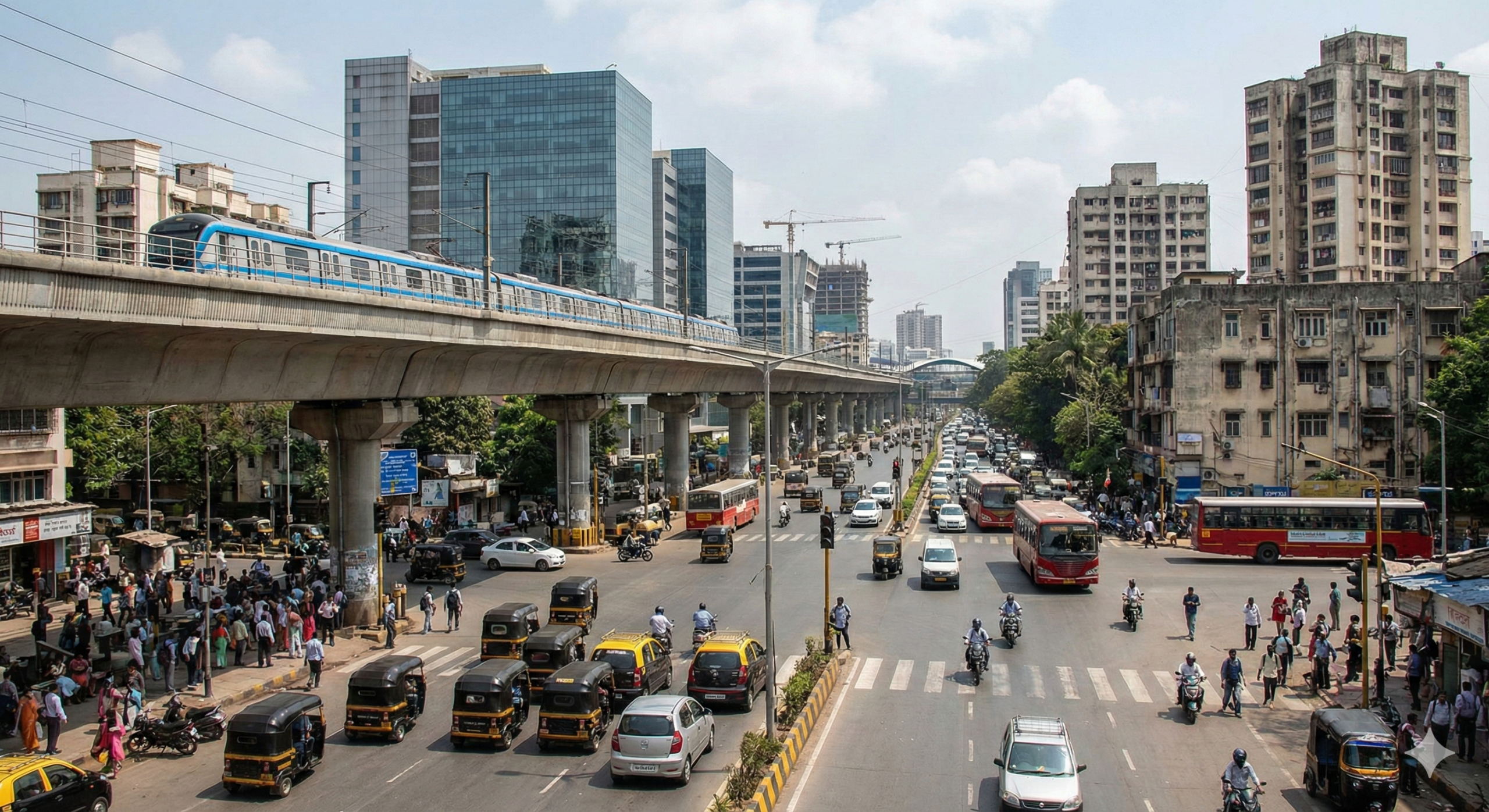
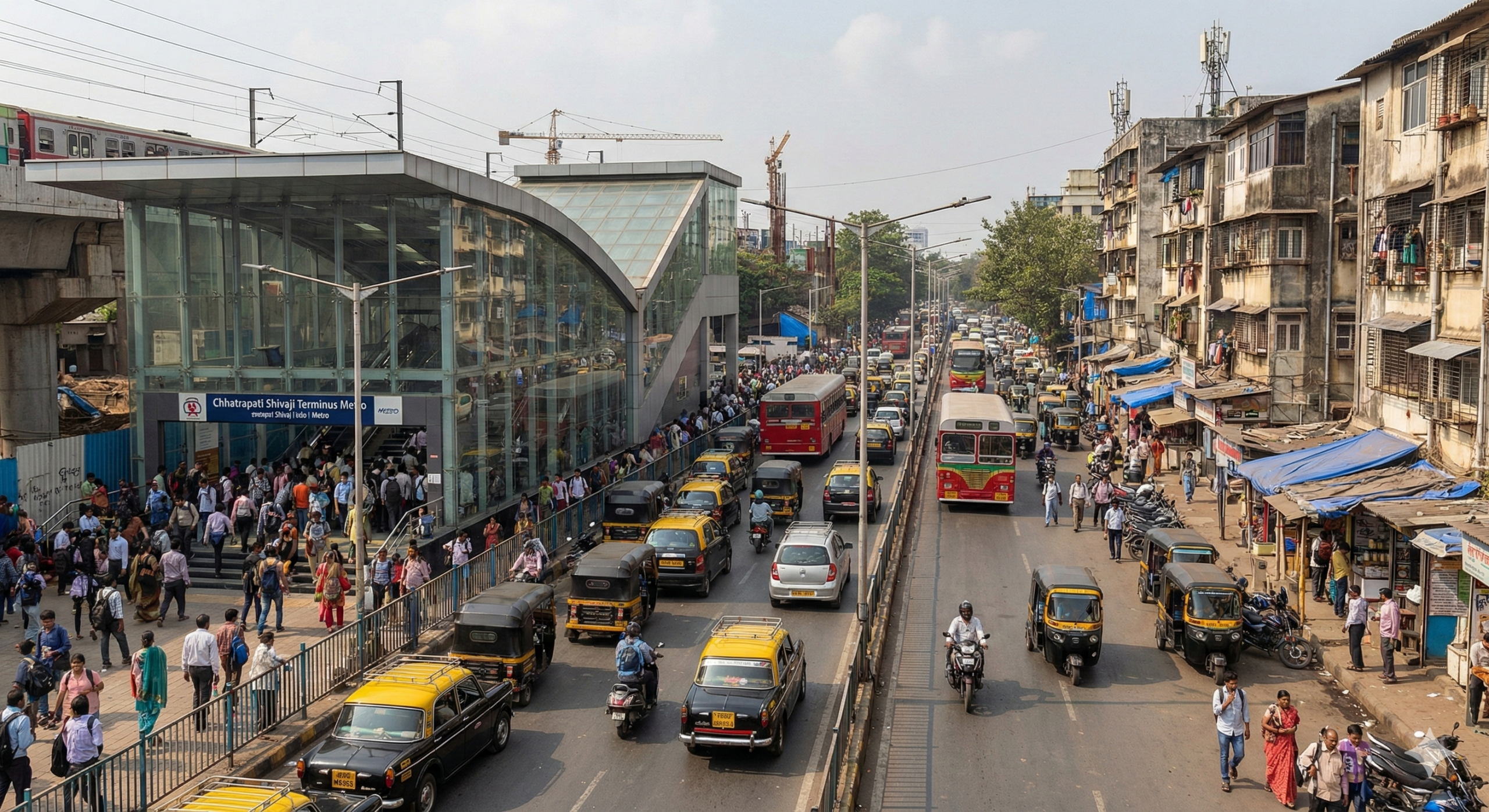
Representatives from major parties including the BJP, Shiv Sena (UBT), Congress, NCP, and Aam Aadmi Party shared their vision with Mumbai’s young voters and civic activists. The forum underscored pivotal issues such as housing affordability, sustainable infrastructure, pollution control, and healthcare — each vital to forging resilient and equitable urban environments. The engagement of youth leaders and their emphasis on clean energy, sustainable transport, and inclusive urban planning signifies a broader shift towards people-first city development.
Political parties revealed approaches ranging from innovative climate initiatives to developmental upgrades. The BJP highlighted plans to harness technology and youth internships to foster smart governance, while the Shiv Sena UBT focused on infrastructure projects and environmental preservation, notably pledging to halt mangrove deforestation and prioritise ecological sustainability. The Congress promoted pollution control and healthcare improvements, proposing to revive key hospitals and improve air quality monitoring. Meanwhile, the AAP’s manifesto centred on establishing world-class education and healthcare, driven by comprehensive policies inspired by Delhi’s successful models.
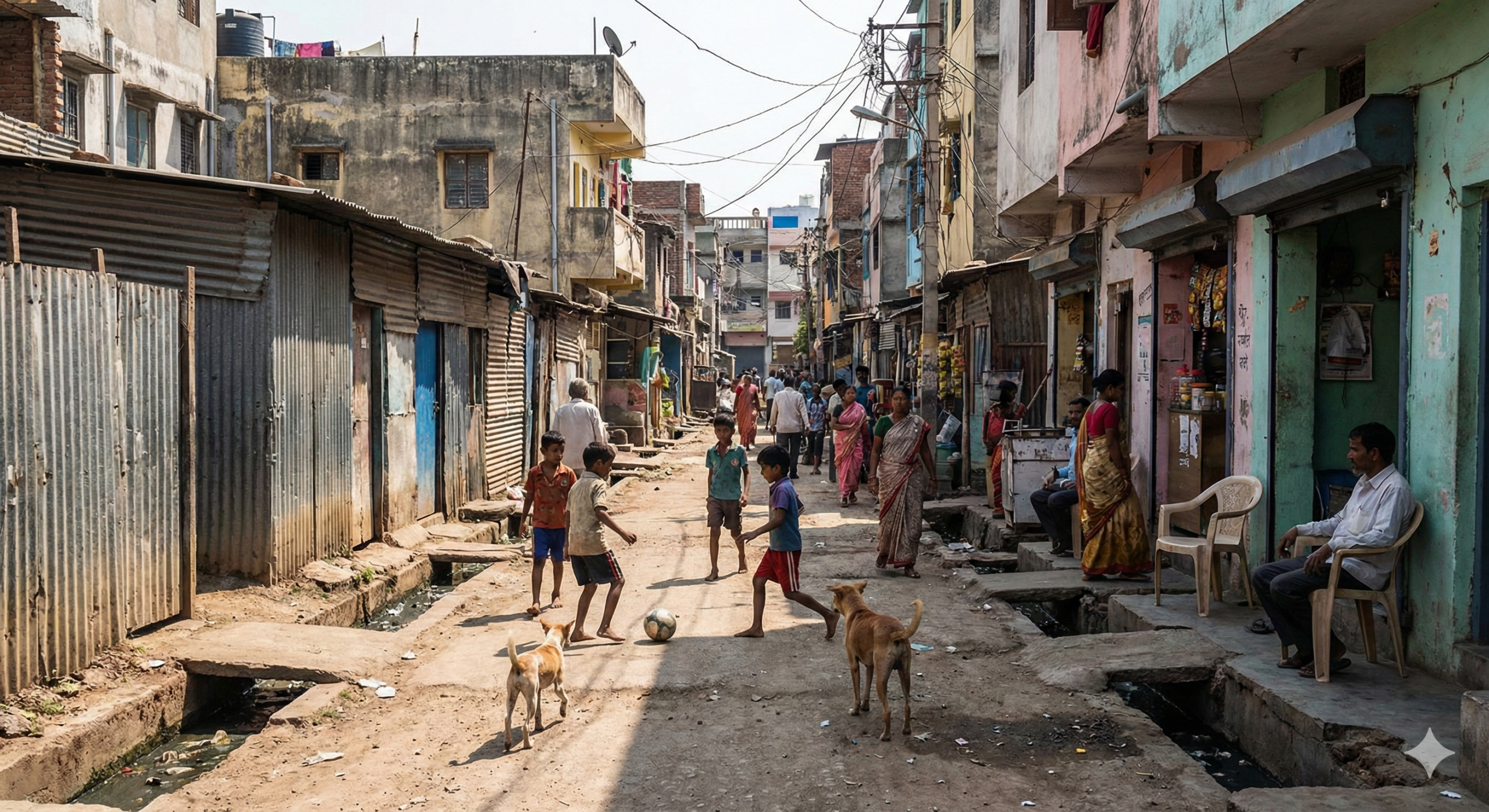
This landscape reflects Mumbai’s ongoing balancing act: accelerating development while safeguarding natural ecosystems and promoting social inclusion. As city residents—including young voters—raise concerns about flooding, transportation, and environmental degradation, the upcoming elections serve as a critical juncture. Political accountability for urban resilience, equitable growth, and climate action will likely influence long-term city planning, infrastructure investments, and the social fabric of Mumbai. Stakeholders agree that a sustainable, inclusive, and climate-resilient city requires transparent policies, youth participation, and responsible stewardship of urban resources moving forward.